Warning: Invalid argument supplied for foreach() in /home1/redcare1/public_html/wp-content/themes/uplift/swift-framework/content/sf-post-formats.php on line 89


Organ donation is the legal and consensual removal and transplant of a person’s organ to another person while the donor is alive or dead. Donations are usually for research or health reasons. It isn’t restricted to organs alone, as healthy transplantable tissues can also be donated to another person. Organs and tissues commonly transplanted include kidneys, heart, pancreas, lungs, corneas, liver, intestines, bone marrow, skin and bones. While some can be donated in parts, others require full transplants.
Individuals who need transplants typically have very chronic illnesses, and may be sick before the transplant. The process commences with a doctor who schedules a waiting list for an organ transplant. Then, the doctor examines the patient, diagnoses a serious medical condition, and concludes that the patient is suitable for an organ transplant. The process is however complex and requires a close match between the recipient and the donor, most especially with blood types.
A person’s position on the waiting list is determined by level of severity of their illness and the body that oversees the list is the Organ Procurement and Transplantation Network. Once an organ is available, the person at the top of the list must respond to the doctor’s call quickly so that surgery can occur within a few hours of the call. Organs cannot survive long hours outside the body. When transplant is completed, the recipient will need to stay in the hospital for a while depending on how well the doctors deem the match after close monitoring.
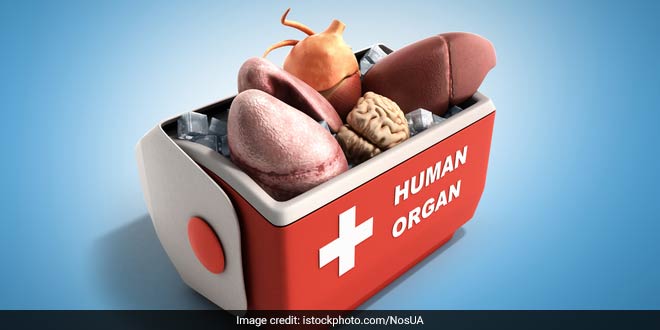
Benefits related to organ donation exist and largely depend on the organ the person receives. Some benefits may be:
- avoidance of dialysis
- possibility of a healthier and improved life
- possibility of a longer life
- reduction in drug usage, money and time spent in the hospital.
It is possible for the transplanted organs to be rejected by the recipient’s body, and the recipient must take anti-rejection medications and other medication that support their overall health. Signs of infection such as fever should be reported to the doctor immediately as it may be an indication of organ rejection. It is vital to discuss the risks and benefits of organ transplantation with a doctor before proceeding with the procedure.
Also, kindly read our article on common myths and misconceptions concerning organ donation and share your thoughts in the comments section.